Identify the source
Understand the difference between a publisher's page, a store listing, and a download mirror.
Find your way from a published app page to the right installation method. Understand Android APK files, check iPhone availability, review device requirements, and solve common download or update problems—without relying on questionable mirror files or invented specifications.
Information for adults who meet their location's legal age requirements, where the service is lawful. This guide does not host an installer, verify any specific download file, or imply official endorsement.
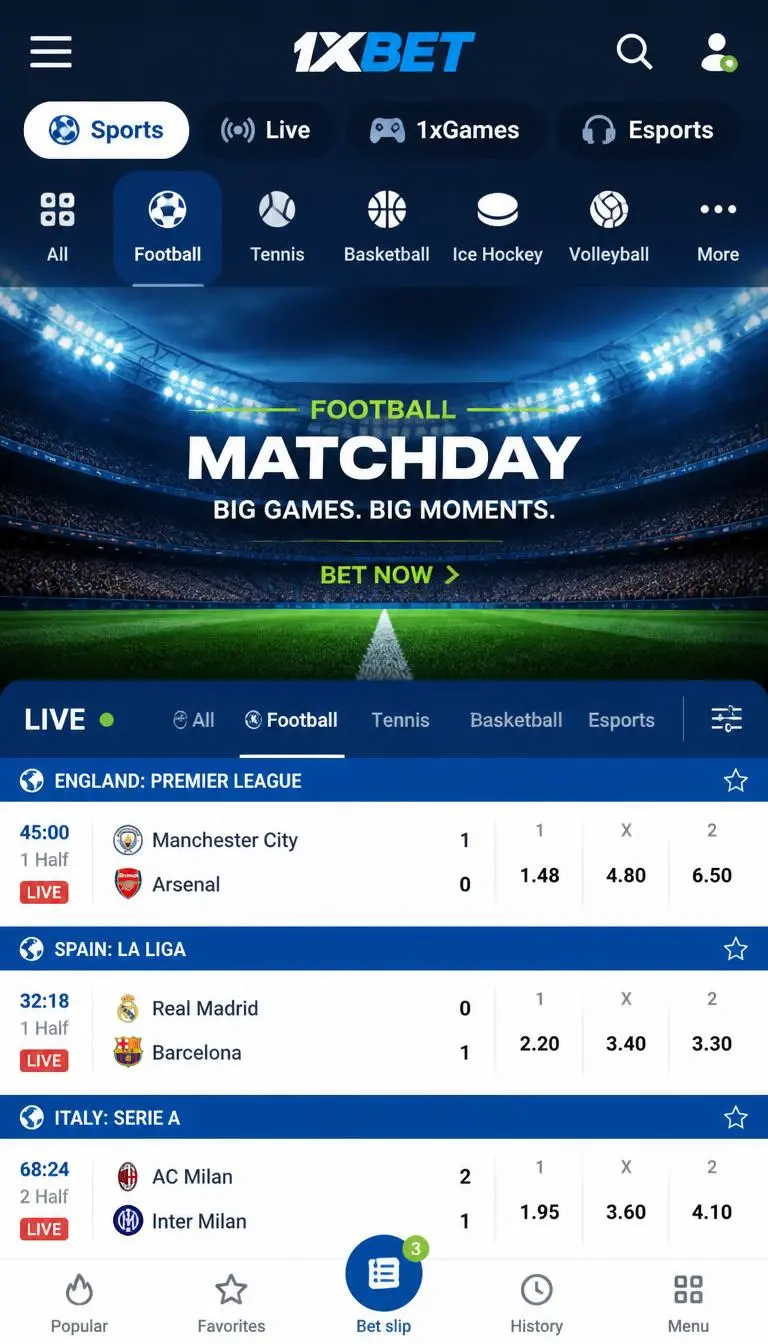
Finding an app should be straightforward, but a search for betting software may produce several very different types of result: an operator's own information page, a third-party promotional website, a store listing, or an unfamiliar archive offering an APK file. They are not interchangeable. Before choosing a button, identify who is providing the software, whether the service is allowed in your location, and which device you intend to use.
This page explains the decisions in that order. It covers what an Android installation package does, why iPhone distribution follows different rules, which app details are worth checking, and how to recognize common warning messages. It also distinguishes the downloaded application from the mobile website, since browsing in a web browser is often confused with installing native software.
The instructions are deliberately conditional. A listed version, file size, store page, or regional download method can change. Publishing a confident but unverified number is less helpful than showing you where to verify the current facts. The purpose here is to make a sensible decision possible, not to claim that every user will see the same screen.
Understand the difference between a publisher's page, a store listing, and a download mirror.
Follow an Android, iPhone, or mobile-browser route that actually fits your situation.
Check compatibility, permissions, warnings, and account requirements before continuing.
Use reliable troubleshooting for downloads, installation errors, crashes, and updates.
There is no universal download path for every country or operating system. Check the published delivery method before opening a file or signing in.
An Android version may be distributed as an APK from a provider-published mobile page. Confirm the final web address and supported release first. A downloaded APK is installation software, not an ordinary document, so its publisher, permissions, and security warnings matter. Never assume that a file from a chat group or third-party archive is an authentic copy of the latest release.
Android download optionsiOS software uses Apple's distribution system rather than Android APK installation. Availability can depend on the country, Apple Account region, app listing, and applicable distribution rules. Look for a verifiable developer and a supported method for your location. A website claiming that the Android APK can be installed directly on an iPhone is not describing a valid native installation process.
Explore iPhone optionsA compatible mobile browser may offer access without installing any package, where the website and service are lawful and available. This can reduce software-management steps, but it does not remove account, privacy, or legal considerations. Confirm the genuine website address and distinguish a home-screen bookmark from a native application installed through a supported channel.
Compare app and webExternal-link disclosure: Buttons may lead to external partner pages instead of direct software files. A referral link does not establish that an installer is genuine, current, compatible, or permitted in your region. Always check the publisher and the final destination before downloading.
Understanding the terminology makes it easier to follow a valid installation guide and spot misleading claims.
APK stands for Android Package Kit, commonly used to describe the file format for installing an Android application. The file extension tells you what kind of package it is; it does not prove who made it. An APK offered outside a major store may require extra checks, and its identity and signature should match the expected publisher. Package size, filename, and version can vary between releases, so screenshots or old instructions are not sufficient proof of what is current.
An iPhone app listing usually includes the developer, age classification, supported device versions, screenshots, and privacy disclosures. Compare those details with a provider-published reference rather than relying on a lookalike icon. Alternative app distribution is available in certain countries under Apple-specific rules, but an alternative marketplace is not automatically trustworthy. Country eligibility for any iOS method must be checked at the time you intend to install.
Adding a website to your phone's home screen creates a convenient way to reopen it. Depending on the site and browser, the shortcut might behave like a standalone web experience, but that does not make it the same software as an Android APK or an iOS store app. Features, offline behavior, updates, notifications, and stored data may differ. Choose based on what is genuinely supported, not merely the shape of the icon.
A page labeled “Download” can lead to instructions, a store, a regional offer, or a direct installer. Always check the destination before treating a button as a file source. If you reach a new domain, inspect the complete address and its relationship to the publisher. Shortened links, repeated redirects, and requests for unrelated permissions deserve special caution. An attractive landing page does not independently certify the software it points toward.
Follow the relevant platform instructions after establishing that the service and the download method are permitted in your location.
These are general Android safety checkpoints, not a claim that one particular APK has been tested on your phone.
Start from the provider's current mobile information, verify the full URL, and read the regional notices. Check whether the link is a direct installer or another information page. If the source changes unexpectedly or the site gives no way to identify the publisher, do not download a substitute from an anonymous mirror.
Review the release's published minimum operating-system requirements, ensure the phone has sufficient free space, and use a dependable network. Storage needs include the downloaded package and temporary installation files. If requirements are not stated, avoid assuming that a recently produced APK will run on an older phone.
Android or your browser may warn about software delivered outside an established store. Such prompts are a reason to confirm provenance and read the risk, not an instruction to disable protection. Keep Google Play Protect enabled and investigate any warning that names specific harmful behavior.
Depending on the Android version and manufacturer, installing from a browser or file manager may require permission for that individual source. Find the relevant device documentation and review exactly which app requests the permission. If the source is verified and the device allows it, use only the necessary approval and remove it afterward when no longer needed.
Before finishing, compare the displayed application identity and requested permissions with your expectations. Do not proceed if the package or developer looks unrelated. After a successful installation, note where supported updates and help information are published. Treat future installers with the same care as the first file.
Availability and permitted distribution channels are region-specific; an Android tutorial cannot simply be copied to iOS.
Check whether an iOS application is actually presented for your location. The existence of an iPhone graphic on a promotional page does not prove an app is currently distributed to your Apple Account region. Note any stated eligibility, device, or legal restrictions.
Where an App Store page is available, compare the developer name, compatibility information, app icon, age rating, and privacy details. Look for an established path between the operator's published information and the listing. Avoid installing profiles or certificates simply because a third party says they are required.
Apple allows alternative app distribution in specific regions under defined conditions. Those rules are not universal, and they do not make an Android APK compatible with iPhone. If an alternative channel is offered, verify current Apple eligibility, the distributor's identity, and how updates and support work.
Use Apple's normal installation steps for a verified listing or supported distribution channel. Do not change account details or device protections solely to follow a questionable tutorial. A missing legitimate option may mean the app is not presently offered to you.
Confirm the required iOS version, supported hardware, and available storage. If an authorized iPhone app cannot be established, a mobile browser may be the appropriate alternative where access is lawful. Keep the browser updated, and do not confuse a home-screen shortcut with a native app.
After installation: Sign in only through the authenticated app or website. Keep credentials and verification codes private. If the interface requests a permission unrelated to an expected function, investigate before allowing it. Installing software does not by itself resolve financial, identity-verification, or account-access disputes; those require the operator's authenticated support channel.
What an installation guide cannot guarantee: A device may reject a package because of hardware limits, signing conflicts, regional restrictions, damaged files, or administrative controls. These explanations help identify a cause; they are not instructions to defeat operating-system protections, age checks, or location-based access rules.
These illustrative views introduce key app areas and installation topics. They are not verified screenshots of a particular release; check the actual interface, platform and country before following any on-screen instruction.
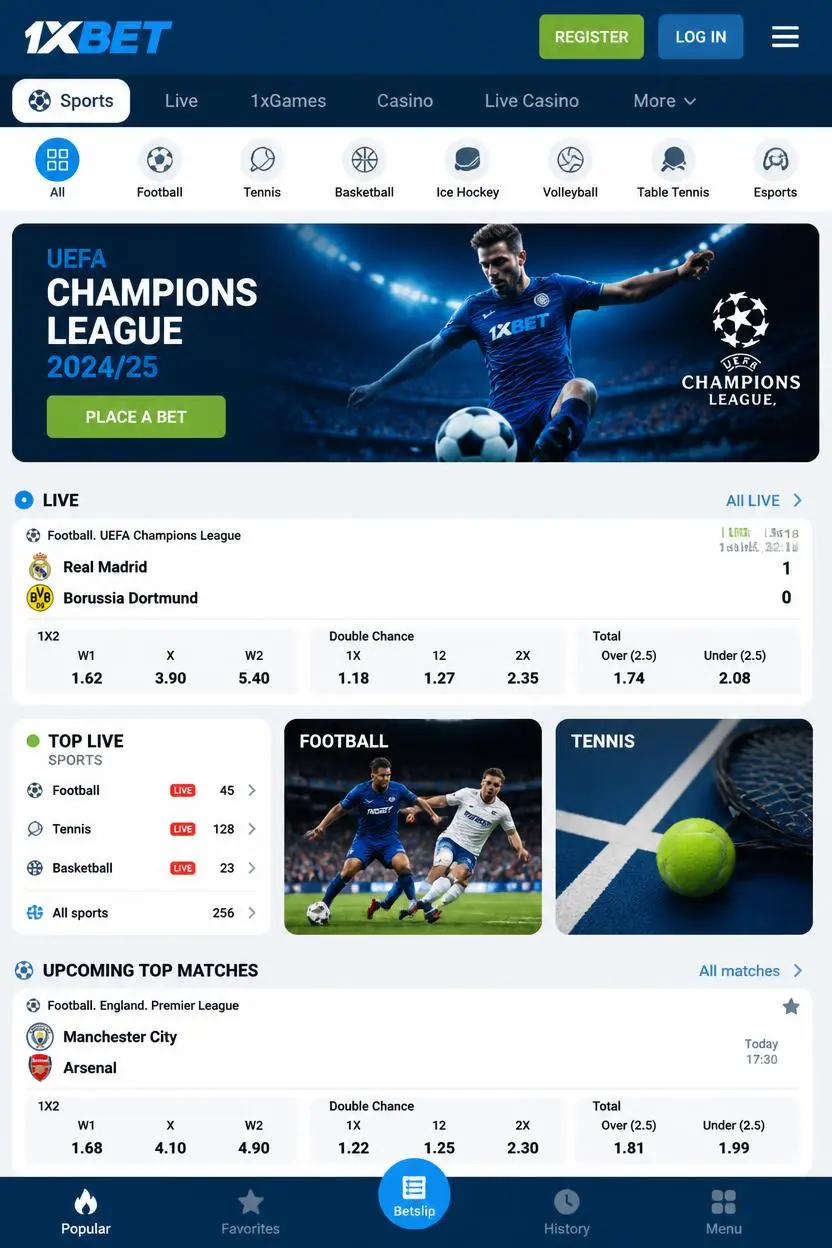
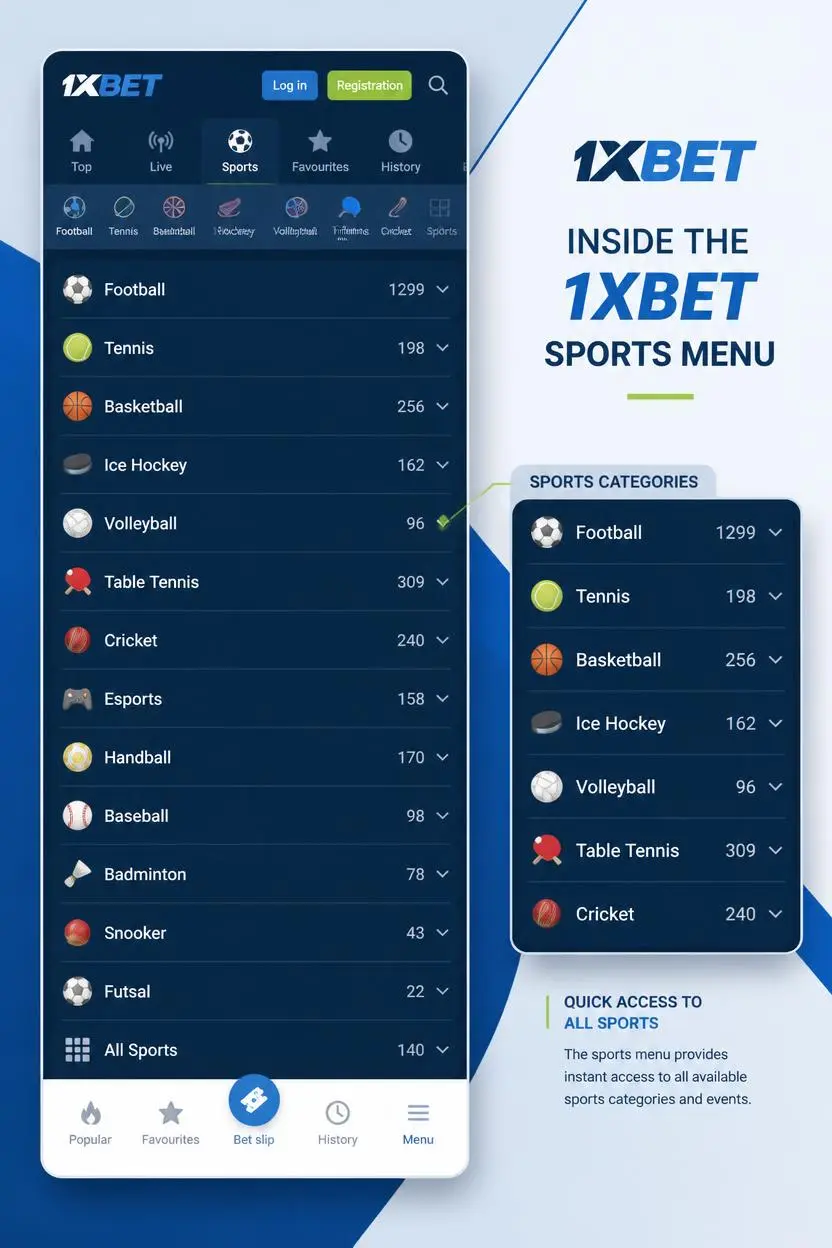
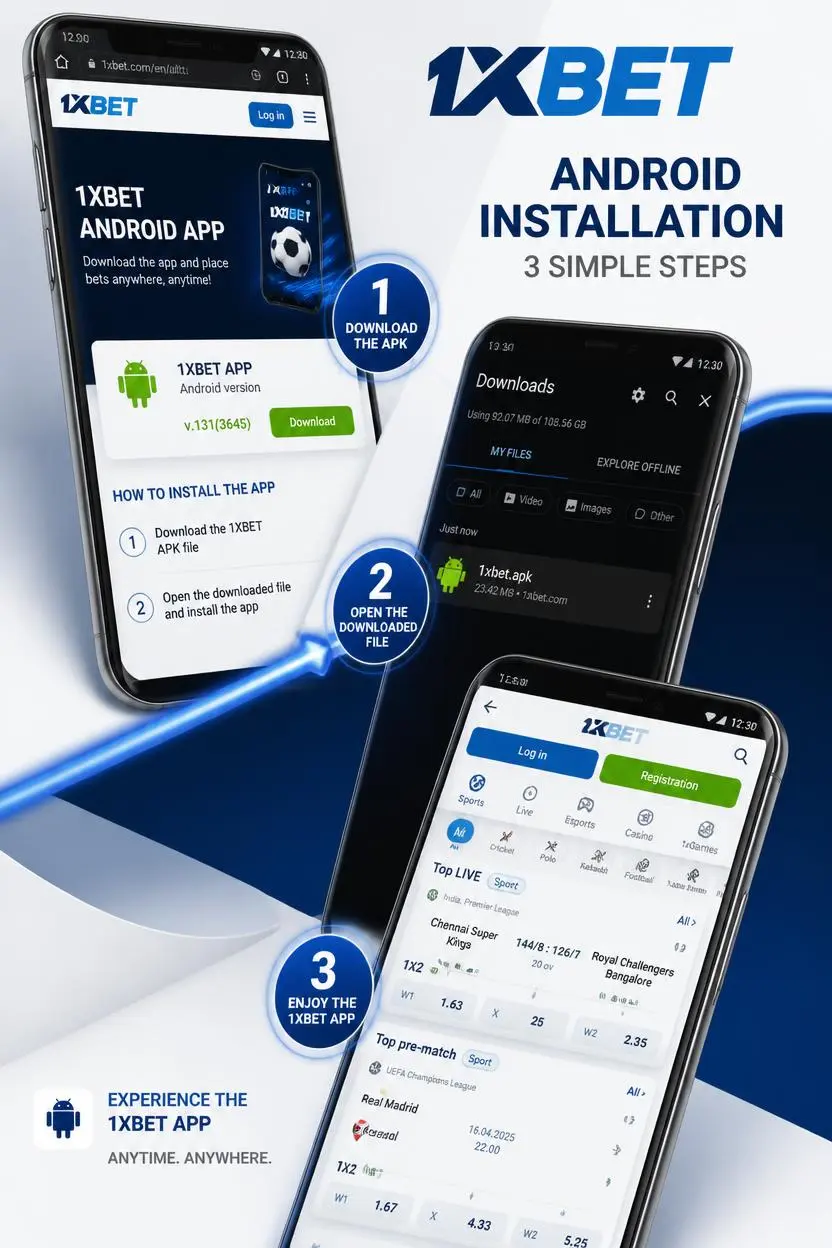
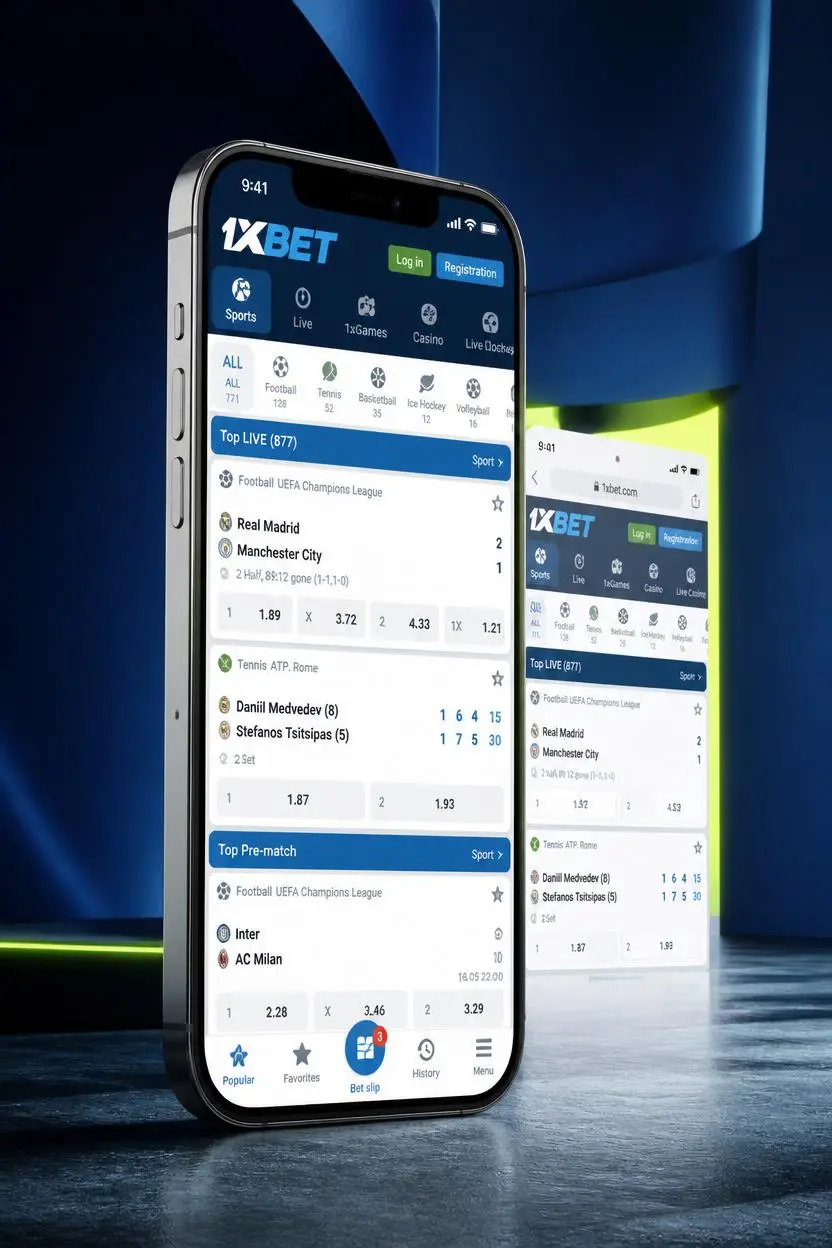
For accuracy: the images above are conceptual artwork, not first-hand proof of a current app version, odds, match results, security status or distribution route. Check publisher information and original device screens independently.
For privacy: a useful example should conceal account balances, payment details, real names, verification codes, and other personal information. Illustrations can explain what to look for but must not override the instructions or warnings on your actual device.
Technical information changes between versions. This reference separates stable explanations from details that must be verified from the latest release.
A download can complete but installation still fail if temporary space is insufficient. Keep enough free capacity for unpacking and future updates, and avoid starting a large download when the device is about to shut down.
Read each requested permission in context. Notifications, device access, and account data are different concerns. A legitimate-looking icon does not establish that a request is necessary or proportionate.
Compare the web address, store developer, help pages, and package identity. Similar brand spellings are common in misleading download results; verify the relationship rather than assuming it.
Software provenance, account privacy, and local eligibility matter more than a download badge or an attractive landing page.
Before an installation, check the exact destination, confirm who publishes the file or store listing, and read operating-system warnings in full. HTTPS protects the connection to a website, but it does not prove that the website owner or application is legitimate. A similarly named domain can have a valid certificate while still being unrelated to the software publisher.
The same care applies after installation. A betting application may handle personal identity information, account history, payments, and other sensitive data. Give credentials only to authenticated services, never to someone offering “installer support” in a direct message. Avoid uploading screenshots that expose balances, verification codes, documents, or card information.
Read the full host name, not only the logo or a familiar word in the URL. Check unexpected subdomains and redirects. A bookmark or independently confirmed publisher page is more reliable than a link copied from a comment section. If the ownership chain cannot be established, do not proceed with a file installation.
Google Play Protect can check apps from outside Google Play and may warn or block potentially harmful packages. Keep those safeguards active. If a named security issue appears, investigate instead of trying renamed files or tools that suppress detection. Corporate and parental restrictions are not routine errors to bypass.
This is not merely a live-scores utility. Gambling can lead to financial loss and is regulated by location. Adults should check licensing, applicable age limits, privacy terms, and spending controls before creating an account. An available installer does not establish legal permission to use a service in a particular country.
App features can depend on territory, account permissions, release, and device. Avoid assuming that one screenshot describes every current build.
The provider's published mobile information describes a small-screen experience. Navigation and account controls can look different on Android, iOS, and a browser. Verify what is actually visible in the release you are documenting before describing a menu path as universal.
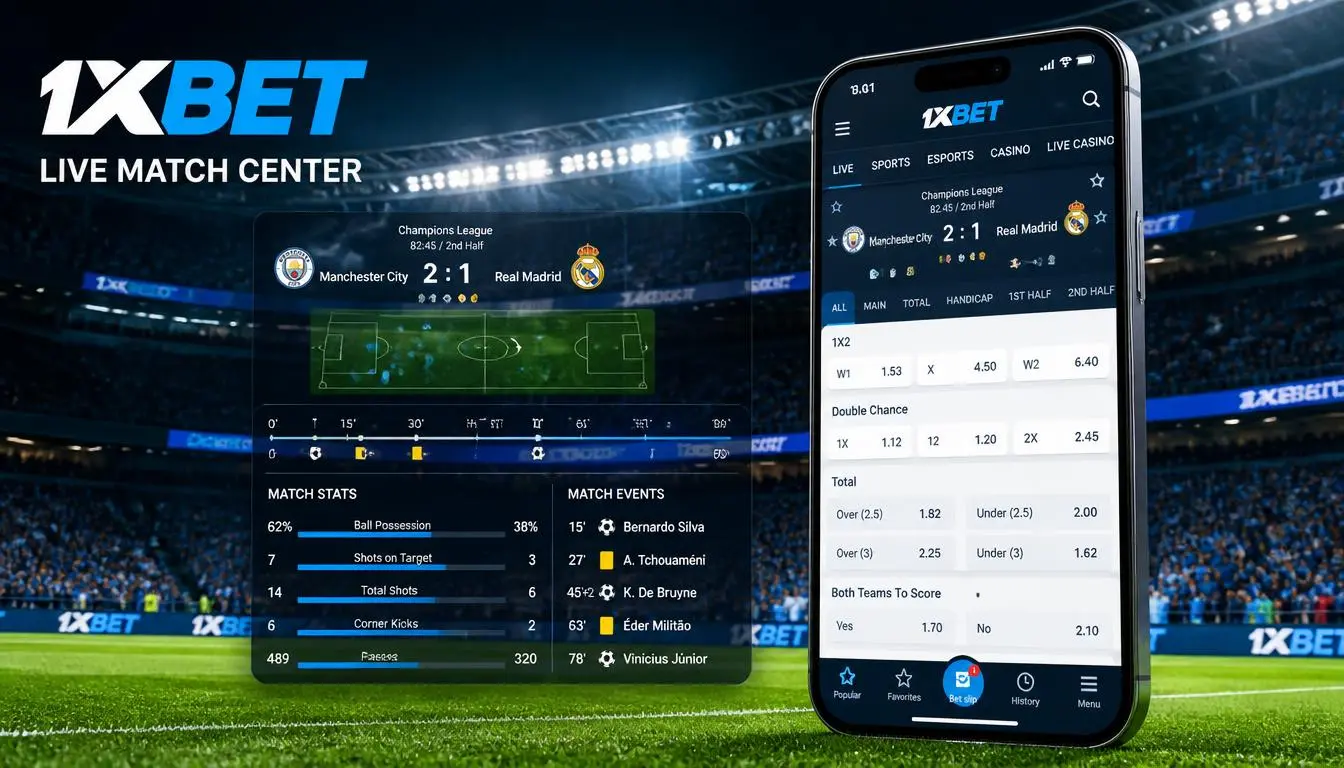
Published descriptions mention changing scores and odds. Availability and timing depend on events, connection quality, and the relevant service. Never assume displayed information is perfectly current.
Account records may be accessible through supported interfaces. A visual summary should not replace statements, transaction records, or the provider's official account documentation.
Whether alerts appear depends on permissions, background restrictions, release features, and connectivity. Review notification settings instead of granting unrelated access.
New builds may change compatibility or menu locations. Record the installed version and use authenticated support information when an issue cannot be resolved through basic checks.
Features versus availability: A mobile guide can describe a product category without promising that every event, payment method, or functionality exists in all jurisdictions. Some areas impose additional restrictions. Treat examples as explanations until a current regional source verifies them.
App versus native website: An installed app may integrate with the operating system differently from a browser experience. That does not mean it is always faster, safer, or preferable. The user's device, publisher maintenance, privacy preferences, and supported distribution method should guide the choice.
Start with low-risk checks. The same error message can have different causes, so diagnosing a problem is better than installing another unexplained file.
Check that the destination still belongs to a verified publisher route and that a file is offered for your region. Then check connectivity, free storage, and browser download settings. A failed button might lead to an information page rather than a direct package. Do not repeatedly select pop-up advertisements or try unrelated APK mirrors to force a result. If the provider no longer lists a download, treat that as a change requiring verification.
Possible causes include an incompatible build, insufficient space, a damaged download, a conflicting existing installation, or a device policy. Read the release requirements, check the file's origin, and retry only with a fresh package from an authenticated channel if that method is supported. Do not uninstall the existing app before considering what local data might be lost.
Some warnings reflect the additional risks of installation outside a store; others identify a specific threat. They must not be treated as interchangeable. Confirm the publisher, allow the device's security assessment to operate, and stop if harmful behavior is detected. Google recommends keeping Play Protect active. Avoid advice to turn off scanning or install a “warning remover.”
First establish whether the file was downloaded completely and is intended for your operating system. An Android APK will not install as a native iPhone application. Unexpected file extensions, executable wrappers, or unfamiliar installers are reasons to verify the original link rather than rename the file or use a third-party extraction tool.
Android menu names can vary by release and manufacturer. Managed phones, child accounts, and organization-owned devices may intentionally remove the setting. Consult the device maker's official instructions. An unavailable control is not an invitation to bypass management or parental safeguards; ask the authorized device owner or choose an approved alternative.
Restart the phone, check for operating-system updates, confirm the supported release, and make sure sufficient storage remains. An app-data reset may sign you out or erase local settings, so understand the impact first. If crashes persist, note the device model, operating-system version, and exact failure before contacting authenticated publisher support.
Distribution may vary with the Apple Account region and the user's physical location. Search for a legitimate developer listing and compare it with published provider information. Do not use a random certificate, configuration profile, or an “iOS APK” tutorial as a workaround. A mobile website may be available in eligible locations even when no native app is offered.
Compare the source of the update with the original installation method. A package-signature conflict can indicate that the new file does not match the installed application's signing identity. Do not patch or strip signatures with anonymous tools. Preserve your account information and consult the publisher before removing an existing installation or changing distribution channels.
Check whether other trusted sites load on the same connection. Inspect app or browser permissions, battery restrictions, and whether the operator has announced a service problem. Authentication or verification issues should be handled through the provider's legitimate support process. Never share one-time codes or identification documents with someone who contacts you through an unsolicited help message.
A restriction may reflect local gambling law, licensing, platform distribution rules, account eligibility, or another policy rather than a technical defect. Verify the relevant terms and jurisdiction. Do not treat location or age controls as installation errors to be bypassed. If access is prohibited, stop and use only lawful services and software.
An installed app and a mobile website can provide overlapping experiences, but they are maintained and updated differently. Native software depends on its distribution channel, package compatibility, and permissions. A website depends on the browser, the current web service, cookies, and site permissions. Neither choice is automatically superior on every phone.
Using a browser avoids handling a standalone APK, which may be helpful when no eligible installation channel can be verified. It still requires the genuine service address, lawful access, and careful account security. Adding the page to a home screen creates a shortcut; it does not prove a native application was installed.
Use a verified package or store route, a compatible device, and an understood update process. Treat security warnings and permissions as part of the decision rather than an inconvenience to be removed.
Use a legitimate listing or regionally supported distribution method. Confirm the developer, compatibility, privacy information, and how future updates will arrive.
Where lawful and supported, a current browser can be simpler to maintain. Be mindful of saved credentials, website permissions, and the possibility that web features differ from those in a native app.
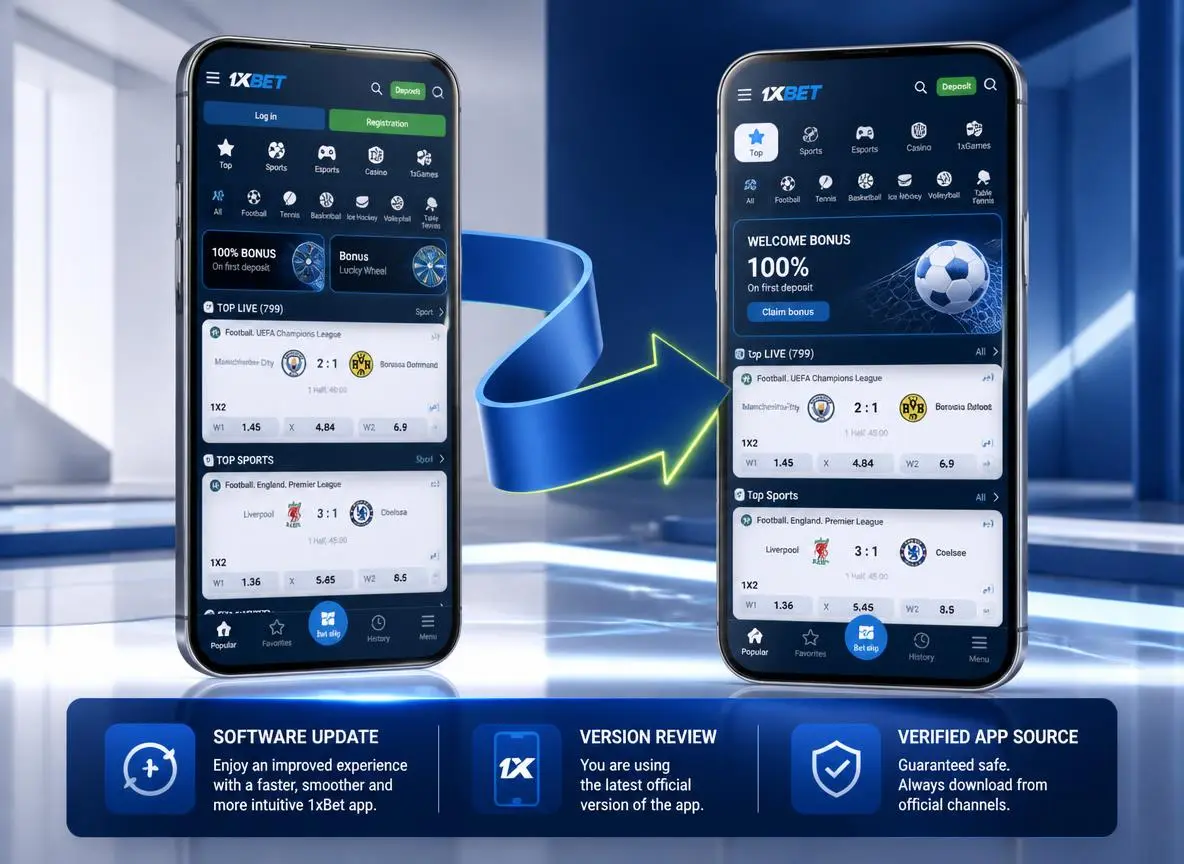
A once-working download does not prove that a later installer is genuine or compatible. Use the publisher's established update route, check release notes, and review changes to permissions or requirements. If an update shows a different developer, unexpected file identity, or security alert, investigate before proceeding.
For this website to remain useful, its editor should record the source URL, review date, applicable region, device or platform, and any verified release details. Replace outdated screenshots when menus change. A genuine maintenance record is more credible than automatically changing the year in a title while leaving old instructions untouched.
If an update cannot be validated, say so. Omitting a version number is preferable to advertising an inaccurate “latest” file.
The answers summarize practical decisions and limitations. They do not replace an authenticated publisher notice or country-specific legal guidance.
Begin with a provider-published mobile page and confirm the distribution route for your country and platform. Check the final URL and the publisher of any package or store listing. This informational page does not host an APK or certify third-party installer files.
No. An APK is an Android application package and cannot be installed as native iOS software. iPhone distribution follows Apple's supported channels, and availability varies across regions. An “iPhone APK” download claim should be treated as a warning sign.
No. Software download charges, if any, are separate from the financial consequences of betting. Review the actual distribution information, account conditions, fees, and gambling risks. This guide makes no promises about pricing, bonuses, winnings, or return on money.
Compatibility depends on the particular build, operating-system version, device hardware, free space, and administrator rules. Confirm these requirements from the verified publisher or store listing rather than assuming that a friend's installation proves support for your phone.
Some services use regional or distribution pages, but redirects also appear on misleading websites. Inspect the final address, its relationship to the publisher, and the rules for your location. Do not enter credentials or run software when the destination cannot be authenticated.
A supported mobile website may be an alternative where access is lawful. Its available features can differ from the installed application. A saved bookmark or home-screen shortcut is not necessarily a native app.
Review them whenever a verified new release or distribution change occurs, and periodically check the source for broken links or altered eligibility. Keep a real verification record. An automatically updated date alone does not establish that the content is current.
No. This is an informational page and contains no hosted installer or independent executable audit. Whether the publishing site has a commercial relationship with the operator must be disclosed accurately. Follow local law and verified technical sources before downloading software.
Gambling-related pages and executable downloads carry heightened consequences when the source or facts are wrong.
The operator's published mobile information is a starting point, not a substitute for checking an actual release. Device behavior should be cross-referenced with Google's Play Protect guidance and Apple's distribution information. The site's publisher should separately verify applicable local restrictions and maintain dated evidence for factual claims.
Do not describe a file as virus-free, officially approved, or personally tested unless a documented process genuinely supports the statement. Make the source of each screenshot clear, and correct inaccurate information when it is discovered.
An informational website should identify its publisher and disclose any commercial relationship that may affect outbound links. A brand reference, logo, or search result does not demonstrate a valid operator license, software authenticity, or permission to access a service in a particular territory.
Choose your device, confirm the published source, read the installation prompts, and keep a reliable update path. An informed download is more useful than a fast click on an unexplained file.
External links are not software safety certificates. Adults of legal gambling age only, where lawful. Gambling involves financial risk.